Author:Eric Carpenter and Alexandra MacMurchie
Title of article:Data Governance
Publication: Rand Secure Data; Mar 10, 2014
Abstract/Summary: The Presenters started by highlighting the fact that many companies struggle to get their data under control even as data continues to grow exponentially, while IT budget are reduced. They advised that having an understanding of data governance and its components will help organizations drive better value for their data
They defined Data Governance as the practice of defining the standards, principles, process and technology that an organization will rely on to manage its data.
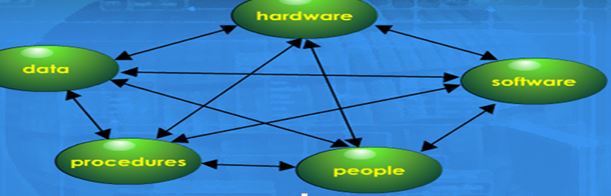
A comprehensive data governance strategy will satisfy regulatory requirements, ensure business continuity and drive search and retrieval, and reiterated that at the cross section of data is people, process and technology
Three components of data mentioned are-
1. Back-ups- helps retrieve data for use when lost or needed
2. Archiving- structured and unstructured data can be captured and indexed for retrieval and use when needed
3. e-discovery is the gathering of electronically stored data for litigation and legal requirements and helps to know when data stored has been tampered with
Critique
- The title of the Presentation is perfect for the content, clear, brief and straight to the point
- The statement of the problem was also very clear, highlighting the fact that many organizations struggle to manage their data which continues to grow despite the shrinking IT budget
- The purpose of the video is simple, to highlight the importance of having a data governance model that will serve as guide, policy and procedure and utilize the right technology to manage data to meet regulatory requirements
- There was no error in the presentation, with very few slides and graphics
- All the information is very valid and current for today’s organizations’ needs as the recommendation to ensure the right tool, process and procedures to manage an organizations data is a fact that is already known and being adopted as best practices in organizations that care about its data, values, reputation and cost implications if at any time is unable to retrieve its data for support litigation and meet regulatory requirements
- A 3 minutes and 15 seconds presentation which is true to its objectives and information is easily understood without any references or mention of any IT tool.
Conclusion
I find the topic very useful, especially as there are many kinds of information systems that are capable of scanning, storing and archiving large data into the computers and other storage databases. It means that this risk of losing legacy documents which were generated prior to the digital age would be minimal, and also, I agree that every organization, irrespective of its size, should have a Data Governance model as minimum to set the pace for standards and ensure data quality, protection and control, as well as reduce search time since the govern would lay down procedures for building data hierarchy, architecture and a good indexing pattern when the right tools are deployed
Reference- https://www.youtube.com/watch?v=t4IOS5csv40
 Information Systems