There is so much enthusiasm when it comes to all things digital. The difference that digitalisation is making in the Oil and Gas asset management, engineering modifications, production optimization, drilling, wells and reservoir facilities management, employee competences and capability, business decisions and their value-added outcomes are overwhelming.
The introduction of real-time optimisation, 360-degree asset visualisation, 3D printing, laser scanning, ROV technologies have seen oil and gas projects and operations improvements that was never imagined a decade ago.
What is information?
Information is communication via natural language, as well as communication through art, facial expressions, gestures as well as other physical responses, simply put, information is data that is given meaning by its context

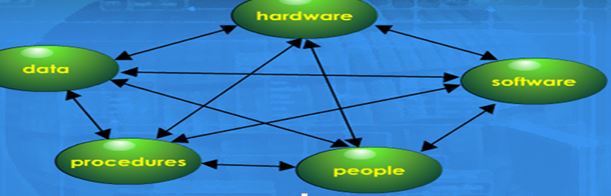
Information Systems are integrated sets of components for collecting, storing, and processing data and for providing information, knowledge, and digital products. They allow businesses, firms and other organizations to function effectively while managing their operations, interacts, as well as compete in the marketplace, key elements of information systems are people, equipment, procedures and data
Types of Information Systems Oil and Gas Projects
1. Transaction Processing Systems (TPS) serve the operational level of an organization by collating and storing information about transactions while controlling some aspects of transactions.
2. Knowledge work systems (KWS) is used by technical staff as model functions to convert design specifications into graphical designs, using computer-aided design/manufacture (CAD/CAM/EDMS/SAP).
3. Office automation systems (OAS) serve those that belong to the knowledge level of an organization to process personal and organizational data, perform calculations, and create documents. e.g. word processing, spreadsheets, file managers, presentation packages.
4. Decision-support systems (DSS) help the strategic management staff in decision making.
5. Management information systems (MIS) serve the management level of the organization. It condenses and converts the TPS data into information for purposes of monitoring performance and organization management
6. Executive support systems (ESS) serve the strategic level of an organization. Provides readily accessible, interactive format to get the overview of the organizations performance.
Benefits
- Operational excellence which fosters ways to share best practices, ensure compliance, instill a culture of continuous improvement, creating value and response to personnel
- Increase value delivery by improving recovery factors that sustains standard processes, and systems, building an engaged collaborative professional and by using Lean, Agile and other embedded principles to drive continuous improvement.
- Sets global expectations for projects and operations, defining common protocols and terminology, shared unifying concepts and allow everyone to communicate clearly about tasks and objectives, enabling benchmarking and performance measurement.
- Allows executive integration of valuable insights into operations, thereby providing the organization with a tool for change
- Helps track equipment most vulnerable to failure. Dashboards allows for deep dives into the data, revealing levels of detail from overall plant performance to specific pieces of equipment.
Challenges
Data theft due to hacking, malware threats and virus attacks, privacy and confidentiality issues, unauthorized use and publication of customer personal information, raising questions about the integrity and sustainability of the information Systems
References
Albana, B.Q., & Mihane, B.N. (2013). Improving Decision Making with Information Systems Technology–A theoretical approach. Iliria International Review. 2013. 49-62. doi: 10.21113/iir.v3i1.96.
Azad, M.M., Amin, M.B., & Alauddin, MD. (2012). Executive Information System. International Journal of Computer Science and Network Security, 12(5), 106-110.
Bourgeois, D., 2014. Information systems for business and beyond. The Saylor Foundation.
Bratvold, R.B., Bickel, J.E. and Lohne, H.P., 2009. Value of information in the oil and gas industry: past, present, and future. SPE Reservoir Evaluation & Engineering, 12(04), pp.630-638.
Cronholm, S. and Goldkuhl, G., 2003. Strategies for information systems evaluation-six generic types. Electronic Journal of Information Systems Evaluation, 6(2), pp.65-74.
David, T.B. (2014). Information Systems for Business and Beyond. Washington, DC: Open Textbook Challenge by the Saylor Academy.
Huber, M.W., Piercy, C.A., & McKeown, P.G. (2007). Information Systems: Creating Business Value. Hoboken, NJ: J. Wiley.
Peppard, J. and Ward, J., 2016. The strategic management of information systems: Building a digital strategy. John Wiley & Sons.
Rainer, R.K., Turban, E., & Potter, R.E. (2007). Introduction to Information Systems. Hoboken, NJ: John Wiley & Sons.
 Information Systems